The Intersection of Human Learning and Technology: Shaping the Future of Education
Introduction
Technology is changing the way people learn, work, and develop new skills. From online classes to AI-powered learning tools, education has become more flexible, accessible, and personalized than ever before.
In 2026, technology is not replacing teachers or traditional learning. Instead, it is helping learners gain knowledge more effectively while making education available to more people around the world. The combination of human learning and technology is creating new opportunities for students, professionals, and lifelong learners.
To understand how digital transformation is influencing education globally, resources from UNESCO Digital Education provide valuable insights into the future of learning.
How Technology Is Changing Education
The way people learn has changed significantly over the past few years. Learning is no longer limited to classrooms, schools, or universities. Today, people can learn from anywhere using laptops, smartphones, and online learning platforms.
Some of the biggest changes include:
● Online courses and virtual classrooms
● Digital learning platforms
● Educational mobile apps
● Interactive videos and learning resources
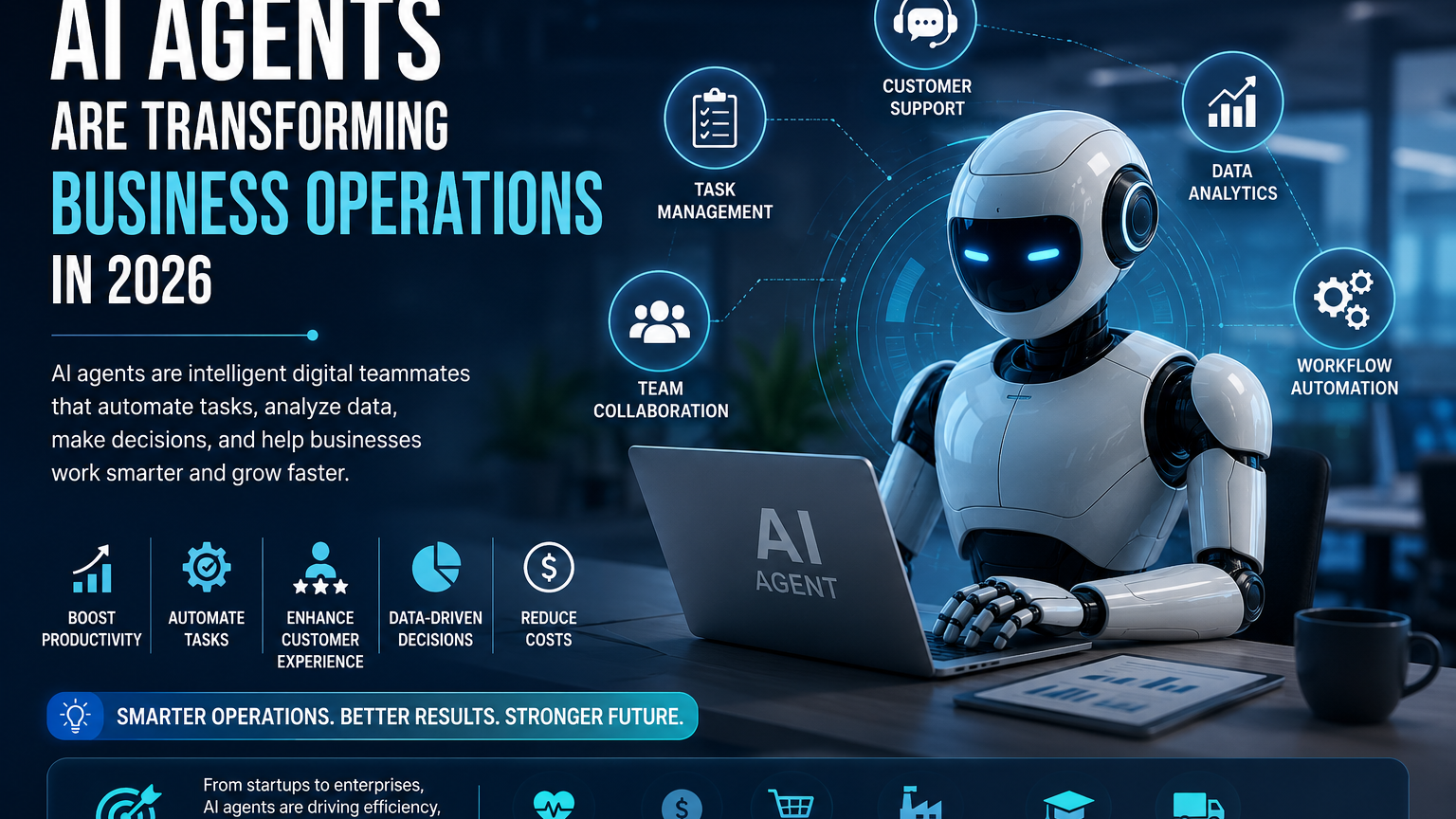
● AI-powered learning assistants
These technologies make education more convenient and help learners study at their own pace.
Popular learning platforms such as Coursera, Udemy, and edX have made quality education available to millions of learners worldwide.
Personalized Learning Through AI
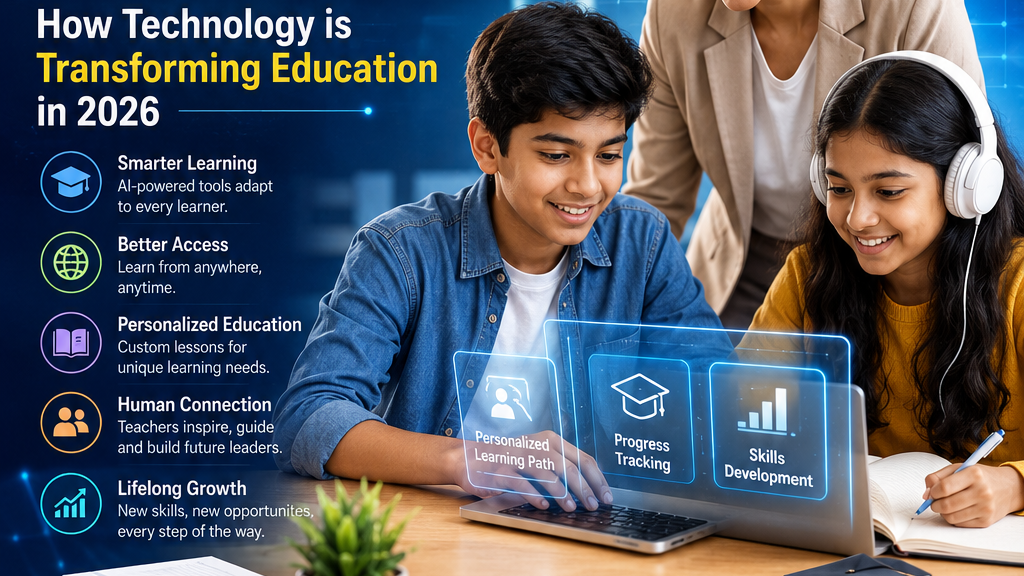
In traditional classrooms, every student often follows the same learning path. However, modern AI-powered systems can adapt lessons based on individual learning needs.
For example, AI can:
● Identify strengths and weaknesses
● Recommend learning materials
● Provide instant feedback
● Create customized study plans
● Help students learn at their own speed
This makes learning more engaging and effective for students with different learning styles.
Organizations like UNESCO AI and Education highlight how artificial intelligence can support teaching and learning while promoting ethical and inclusive education.
Better Access to Education
Today, technology allows more people to access education than ever before. Students can now:
● Attend classes remotely
● Access digital libraries
● Watch lectures from experts worldwide
● Participate in online discussions
● Learn new skills anytime and anywhere
This is especially helpful for people living in remote areas or those who want to continue learning while working full-time.
Digital resources such as Khan Academy and MIT OpenCourseWare offer free educational content that helps learners gain knowledge without financial barriers.
Why Human Teachers Still Matter
Even with advanced technology, teachers remain an essential part of education.
Technology can provide information and automate certain tasks, but it cannot replace the human qualities that teachers bring, such as:
● Motivation and encouragement
● Emotional support
● Creativity and inspiration
● Critical thinking guidance
● Real-life experience and mentorship
Teachers help students develop communication skills, confidence, teamwork, and problem-solving abilities that go beyond textbooks and digital tools.
Experts continue to emphasize that education works best when technology supports teachers rather than replacing them.
The Growing Importance of Lifelong Learning
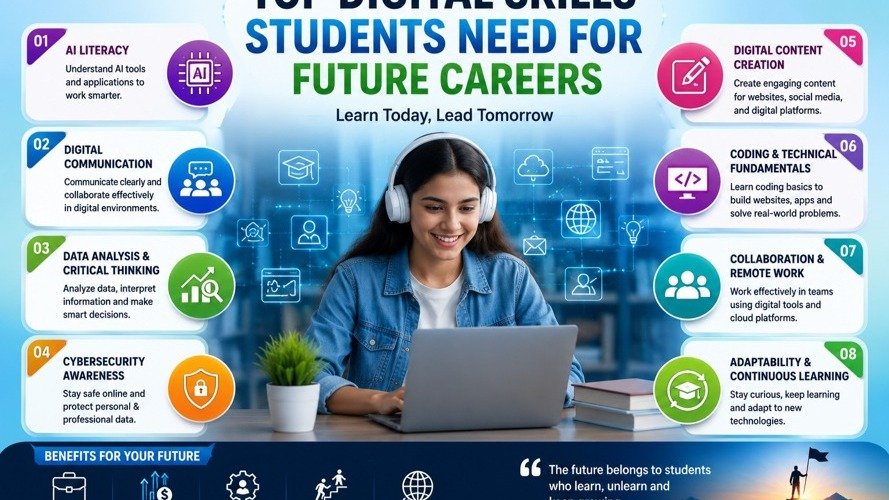
The job market is changing rapidly. New technologies and industries are creating demand for new skills every year.
As a result, learning no longer stops after graduation. People must continue updating their knowledge throughout their careers.
Technology supports lifelong learning by offering:
● Online certifications
● Professional training programs
● Skill development courses
● Flexible learning schedules
● Industry-specific learning platforms
Fields such as artificial intelligence, cybersecurity, software development, data science, and digital marketing require continuous learning to stay competitive.
AI and the Future of Classrooms
AI tools can help students by:
● Answering questions instantly
● Explaining difficult concepts
● Tracking learning progress
● Identifying knowledge gaps
● Providing personalized recommendations
For teachers, AI can reduce administrative work and help them focus more on teaching and student engagement.
The classroom of the future will likely combine teachers, students, and AI tools working together to create better learning experiences.
Educational research from OECD Education and Skills suggests that digital technologies can enhance learning outcomes when used alongside effective teaching strategies.
Challenges of Technology in Education
Digital Divide
Not everyone has access to reliable internet, devices, or digital learning resources. This can create inequalities in education.
Too Much Screen Time
Spending too much time on screens can make it harder for students to stay focused, communicate with others, and learn effectively.
Privacy and Security
Educational platforms collect large amounts of data. Protecting student privacy and ensuring secure use of technology remains important.
Ethical Use of AI
AI systems should be fair, transparent, and designed to support learners without creating bias or misinformation.
Addressing these challenges is essential to ensuring that technology benefits all learners equally.
Building a Better Future for Learning
The future of education is not about choosing between technology and human teachers. It is about using both together.
Technology can make learning:
● More accessible
● More personalized
● More flexible
● More efficient
At the same time, teachers provide:
● Guidance
● Motivation
● Emotional support
● Critical thinking skills
● Human connection
When combined effectively, technology and human expertise can create powerful learning experiences that help people succeed in school, work, and life.
Educational institutions, governments, and technology companies must continue working together to create systems that prioritize both innovation and human development.
Conclusion
From AI-powered learning tools to online education platforms, technology is helping people learn more efficiently and access knowledge from anywhere in the world.
However, the human element remains essential. Teachers, mentors, and meaningful interactions continue to play a vital role in personal growth and skill development.
By balancing innovation with human values, we can create an educational future that is more inclusive, engaging, and effective for everyone.
Category: Education
Author: Techstas Research
Read time: 5 min read
Learn how technology is transforming education in 2026 through AI-powered learning, online courses, personalized education, and lifelong skill development. Discover the future of learning and the continued importance of teachers.