Quantum Computing Explained:Why the World Is Paying Attention
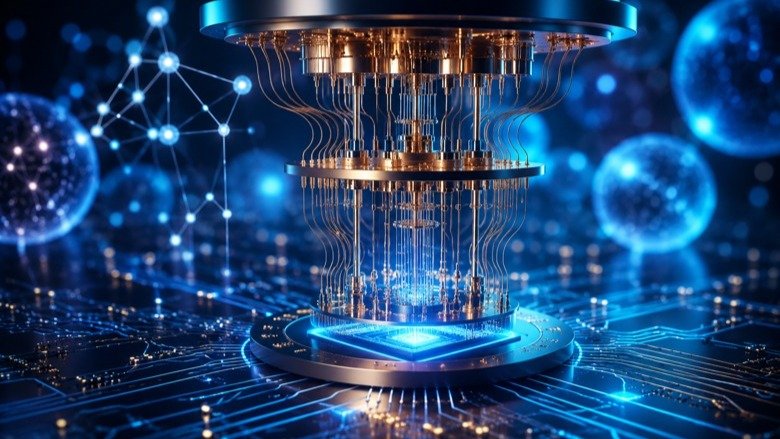
Quantum computing was once a subject primarily explored by scientists and researchers. Today, it has become one of the most talked-about technologies in the world. Governments, technology companies, and investors are paying close attention because quantum computing has the potential to transform industries and solve problems that traditional computers cannot handle efficiently.
As advancements continue to make headlines, many people are asking the same question: What exactly is quantum computing, and why is it so important?
This article explains quantum computing in simple terms and explores why it is quickly moving from academic research to mainstream news.
What Is Quantum Computing?
Traditional computers process information using bits. A bit can have only one value at a time: either 0 or 1.
Quantum computers use something called qubits (quantum bits). Unlike traditional bits, qubits can represent 0, 1, or both states simultaneously through a principle known as quantum superposition.
Another important principle is quantum entanglement. When qubits become entangled, the state of one qubit can influence another, even when separated by large distances. This allows quantum computers to coordinate calculations in ways that traditional computers cannot.
This unique capability allows quantum computers to process enormous amounts of information much faster than classical computers for certain types of problems.
Think of it this way:
● A quantum computer can explore many possible paths simultaneously.
These systems are not expected to replace consumer devices anytime soon. Instead, they are designed to solve highly complex problems that would take traditional computers years—or even centuries—to solve.
Why Is Quantum Computing Making Headlines?
Quantum computing is no longer just a theoretical concept. Major breakthroughs are being announced regularly, attracting attention from media outlets worldwide.
Leading technology companies are investing billions of dollars into quantum research. Organizations such as IBM Quantum are continuously developing more advanced quantum systems, bringing the technology closer to practical use.
At the same time, governments across the globe are funding national quantum initiatives because they recognize the strategic importance of quantum technology for economic growth, cybersecurity, and scientific leadership.
These developments have transformed quantum computing from a niche research topic into a major global technology trend.
How Quantum Computers Could Change Industries
1. Healthcare and Drug Discovery
Developing new medicines often requires researchers to simulate complex molecular interactions. Traditional computers struggle with these calculations because molecules behave according to quantum mechanics.
Quantum computers could model these interactions more accurately, helping scientists discover new drugs faster and potentially reducing research costs.
This could accelerate treatments for diseases and improve healthcare outcomes worldwide.
2. Financial Services
Banks and financial institutions manage massive amounts of data and risk calculations. Quantum computing may help improve:
● Portfolio optimization
● Risk analysis
● Fraud detection
● Market forecasting
By processing complex datasets more efficiently, quantum systems could support better financial decision-making.
3. Logistics and Supply Chains
Supply chains involve multiple variables such as transport, stock, weather, and demand. This could enable simultaneous optimization, reducing costs and improving performance. For global businesses, even small improvements in logistics can lead to significant savings.
4. Artificial Intelligence
AI systems require enormous computing power for training and optimization.
Researchers believe quantum computing could eventually enhance machine learning algorithms, enabling faster analysis and improved performance in certain applications.
As AI continues to evolve, the combination of AI and quantum computing may unlock entirely new possibilities.
The Cybersecurity Challenge
While quantum computing offers many benefits, it also presents significant cybersecurity concerns.
Current encryption methods protect sensitive information such as:
● Banking data
● Medical records
● Government communications
● Online transactions
Powerful quantum computers could eventually break some of today's widely used encryption systems.
Organizations are preparing for a quantum-secure future. Agencies such as NIST’s Post-Quantum Cryptography Program are actively working on standards designed to protect digital systems against future quantum threats.
Cybersecurity experts consider this one of the most important technology challenges of the coming decade.
Are Quantum Computers Ready Today?
Despite the excitement, quantum computing is still in its early stages. Current quantum computers face several challenges:
Error Rates
Qubits are highly sensitive to environmental disturbances, making calculations prone to errors.
Scalability
Building larger and more reliable quantum systems remains technically difficult.
Cost
These systems are expensive and operate only under extreme cooling.
Limited Commercial Applications
While progress is impressive, many practical use cases are still under development.
This means widespread adoption may take several years, but advancements are happening faster than many experts expected.
The Growing Race Among Technology Leaders
Competition in the quantum computing industry is increasing rapidly. Quantum innovation is heavily funded across sectors.
For example, Microsoft Quantum is developing technologies that aim to make quantum computing more scalable and accessible. Similar efforts from other industry leaders are accelerating research and creating new opportunities for collaboration.
This global competition is one of the reasons quantum computing continues to dominate technology news and investment discussions.
What Does the Future Look Like?
Experts believe quantum computing will gradually move from experimental research environments into real-world business applications.
Over the next decade, we may see quantum systems helping solve problems in:
● Climate modeling
● Energy optimization
● Material science
● Pharmaceutical development
● Financial forecasting
● Advanced artificial intelligence
Although traditional computers will remain essential, quantum computers could become powerful tools for solving specialized challenges that are currently beyond our reach.
The transition will not happen overnight, but the foundation is already being built today.
Why Businesses Should Pay Attention
Even if quantum computing does not directly affect your business today, understanding the technology can provide a competitive advantage.
Organizations that monitor quantum developments can:
● Prepare for future cybersecurity changes
● Identify emerging business opportunities
● Stay ahead of competitors
● Adapt to technological shifts earlier
Just as companies that embraced cloud computing and artificial intelligence gained advantages, early awareness of quantum technology may help organizations navigate the next wave of digital transformation.
Conclusion
Quantum computing is no longer confined to university research labs. It has become a major topic in technology, business, and government discussions around the world.
While significant technical challenges remain, the pace of innovation continues to accelerate. From healthcare and finance to cybersecurity and artificial intelligence, quantum computing has the potential to reshape industries and solve problems previously considered impossible.
Although widespread commercial adoption may still be years away, the race to build practical quantum computers is accelerating rapidly. Businesses that begin understanding quantum technology today will be better positioned to adapt to future innovations, cybersecurity shifts, and emerging competitive opportunities.
Category: Software Engineering
Author: Techstas Research
Read time: 5 min read
Quantum computing is emerging as one of the most transformative technologies of the decade. Learn how quantum systems work, why businesses are paying attention, and what the future holds for this rapidly evolving field.