Edge Computing and IoT: Enabling Decentralized Systems for Real-Time Data Processing
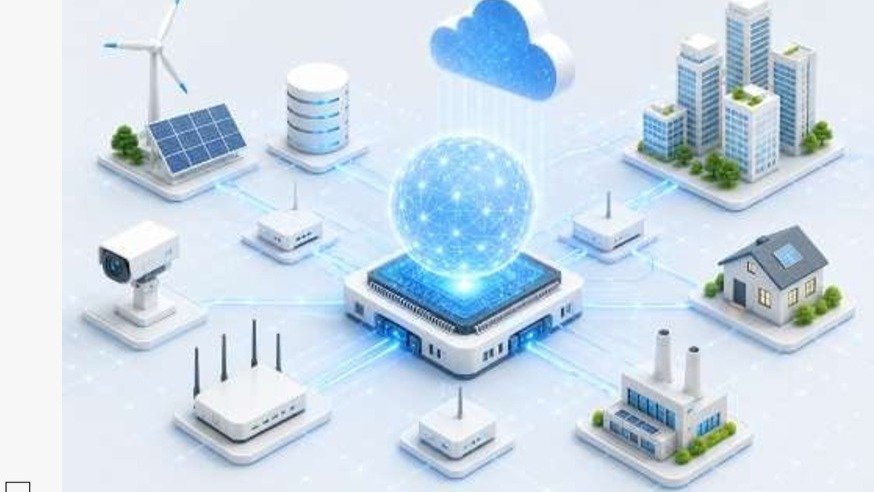
In today's digital world, billions of connected devices generate massive amounts of data every second. Technologies such as Edge Computing, the Internet of Things (IoT), and real-time data processing are transforming how organizations manage information. Traditional cloud computing alone cannot always handle the growing demand for instant data analysis and decision-making.
Edge computing complements IoT by bringing data processing closer to connected devices. Together, they enable decentralized systems, reduce latency, improve efficiency, and support intelligent real-time operations across industries such as healthcare, manufacturing, smart cities, and autonomous transportation.
This blog explores how edge computing and IoT work together, their key benefits, real-world applications, and why they are shaping the future of modern technology.
Edge AI: The Next Evolution of Intelligent Systems
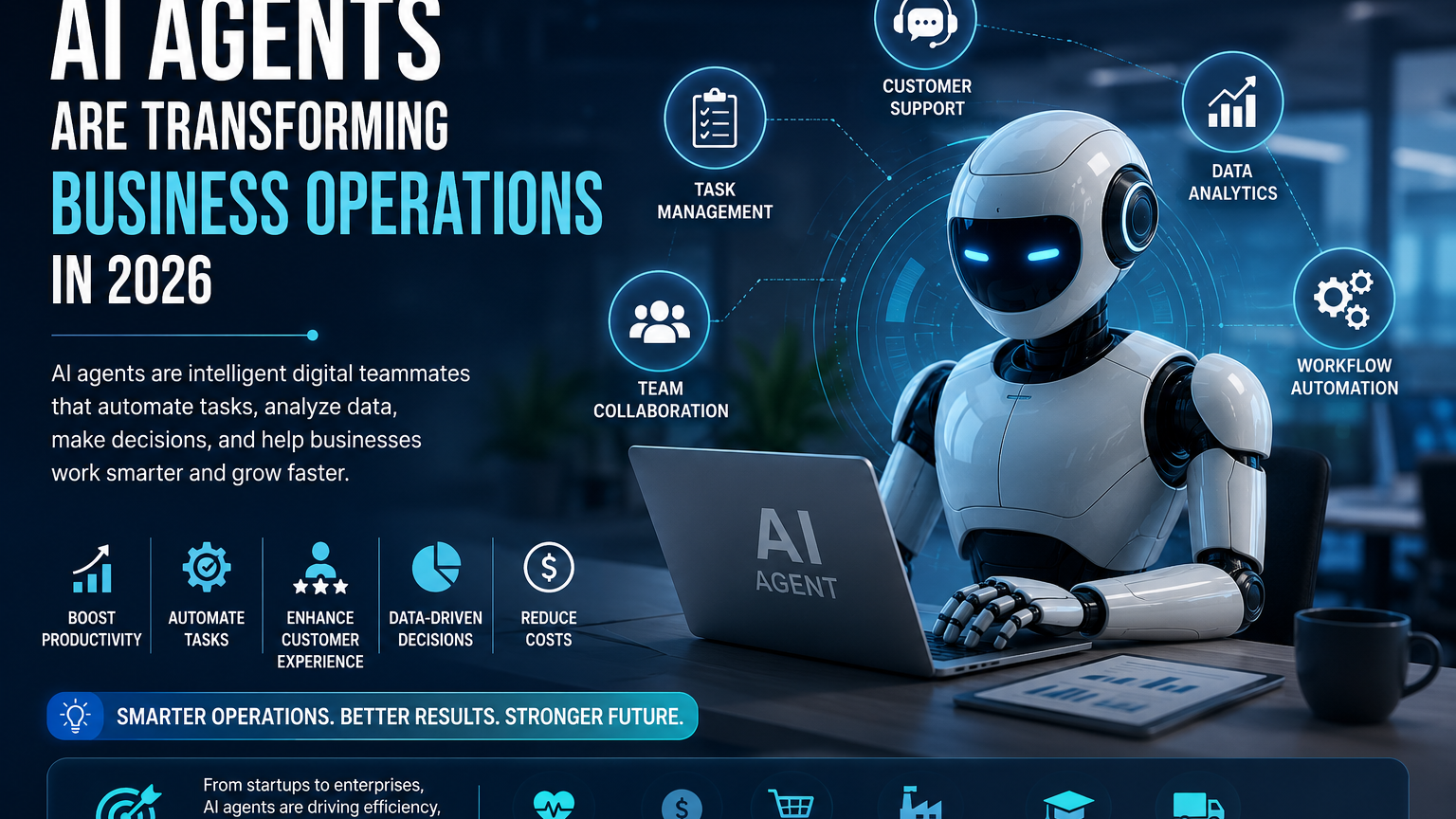
Edge AI combines artificial intelligence with edge computing, allowing devices to process and analyze data locally without relying entirely on cloud infrastructure. This enables faster decision-making, improved privacy, lower latency, and more efficient real-time operations.
Industries such as healthcare, manufacturing, retail, and transportation are increasingly adopting Edge AI to automate processes, improve operational efficiency, and deliver intelligent services closer to the user. As AI and IoT continue to evolve, Edge AI is expected to become a critical component of future decentralized systems.
What is Edge Computing?
Edge computing is a technology that processes data closer to the source where it is generated instead of sending it to a distant cloud server.
For example, instead of sending data from a smart camera to a remote server for analysis, edge computing allows the camera or a nearby device to process that data instantly.
This reduces delay and improves performance.
Key Features of Edge Computing:
● Processes data near the source
● Reduces latency (delay)
● Saves bandwidth
● Improves real-time decision-making
● Works well in remote or low-network areas
What is IoT (Internet of Things)?
IoT (Internet of Things) refers to a network of physical devices connected to the internet that collect and exchange data. Such devices range from sensors and smart appliances to wearables and industrial machinery.
For example, a smart thermostat can monitor room temperature and automatically adjust cooling or heating.
IoT plays a major role in generating real-time data that edge systems process. Learn more about IoT here:
Common IoT Devices:
● Smart home devices (lights, thermostats, security cameras)
● Wearables (fitness trackers, smartwatches)
● Industrial sensors
● Connected vehicles
● Healthcare monitoring devices
How Edge Computing and IoT Work Together
IoT devices continuously collect data, but sending all that data to the cloud can cause delays and overload networks. Edge computing solves this problem by processing data locally or near the device.
Together, they create a decentralized system where intelligence is distributed instead of centralized.
Simple Example:
A smart traffic system:
● IoT cameras detect vehicle movement
● Edge devices process traffic flow in real time
● Traffic lights adjust instantly without waiting for cloud instructions This combination allows faster, smarter, and more efficient systems.
How They Enable Decentralized Systems
Rather than depending on a central server, a decentralized system shares computing responsibilities among multiple devices or nodes.
Edge computing and IoT enable this by distributing data processing across devices, gateways, and local servers.
Key Ways They Enable Decentralization:
● Local Processing: Data is analyzed near where it is generated
● Reduced Cloud Dependency: Not all data needs to go to central servers
● Real-Time Responses: Actions are taken instantly
● Scalability: Easy to add more devices without overwhelming systems
● Improved Reliability: System continues working even if cloud connection is slow or lost
Benefits of Edge Computing and IoT
1. Low Latency (Faster Response)
Processing data near the source reduces delay, making systems much faster.
2. Reduced Network Traffic
Only important data is sent to the cloud, reducing bandwidth usage.
3. Better Security
By processing data locally, organizations can avoid sending sensitive information across networks.
4. Higher Efficiency
Devices can make quick decisions without waiting for cloud responses.
5. Cost Savings
Reduced data transfer and cloud storage usage lowers operational costs.
Real-World Use Cases
Edge computing and IoT are already transforming industries worldwide.
Smart Cities
● Traffic control systems adjust signals in real time
● Smart streetlights save energy by detecting movement
Healthcare
● Wearable devices monitor patient health continuously
● Emergency alerts are triggered instantly
Manufacturing (Industry 4.0)
● Machines detect faults and fix issues early
● Predictive maintenance reduces downtime
Autonomous Vehicles
● Cars process sensor data instantly for safe driving decisions
Retail
● Smart shelves track inventory in real time
● Personalized customer experiences in stores
Challenges of Edge and IoT Systems
Even though these technologies are powerful, they also face challenges:
● Security risks due to many connected devices
● Device management complexity
● Data consistency issues
● Hardware limitations at the edge
● Integration difficulties with existing systems
Organizations are actively working on solving these issues through better encryption, AI integration, and improved infrastructure.
Future of Edge Computing and IoT
The future of technology is moving toward more distributed and intelligent systems. With the growth of 5G networks and AI, edge computing and IoT will become even more powerful.
We can expect:
● Smarter cities with automated infrastructure
● Fully autonomous transportation systems
● Advanced healthcare monitoring at home
● Real-time AI decision-making at the edge
Cloud platforms are also evolving to support this shift, such as hybrid systems that combine cloud and edge processing.
Conclusion
Edge computing and IoT are reshaping the way data is processed and used in modern technology systems. Together, they enable decentralized systems that are faster, more efficient, and more reliable.
By moving intelligence closer to where data is generated, businesses and industries can make real-time decisions, reduce delays, and improve user experiences.
As technology continues to grow, edge computing and IoT will play a key role in building a smarter, more connected world.
Category: Software Engineering
Author: Techstas Research
Read time: 5 min read
Edge Computing, IoT, and Edge AI are reshaping the future of connected technology by bringing intelligence closer to data sources. Discover their benefits, applications, and role in powering smart cities, healthcare, manufacturing, and aut...